
Top 5 Trends That Are Shaping Architectural Entrance Design
Think back to that split second when a building makes you slow your step as you approach. Maybe it’s the choice of materials, the scale of the entrance, or the way light hits the doors just right.
Before encountering the interior atmosphere, an entrance tells a story to a guest. It signals intention, craftsmanship, and how a space is intended to be experienced.
As architectural design continues to evolve, entryways are no longer treated as an afterthought. They are becoming defining features that serve as important passageways from inside to out. Today’s most compelling entrances balance simplicity with soul, performance with beauty, and innovation with timeless materials.
From warm minimalism to biophilic textures, accessible design, and bold statement doors, these top trends are inspiring how we arrive at and connect with a building.
Warm Minimalism
Minimalism has been at the forefront of popular design trends because of its clean, simple aesthetic. Straight lines, open spaces, and toned-down color palettes are dominating the design space.
However, the concept of "warm minimalism” has emerged as a reimagination of traditional minimalist design, but with more of a human touch. Warm earthy tones such as cream, ivory, beige and soft brown make up the base of the color palette. With warm minimalism, the goal is to create a space that radiates warmth, texture, and comfort, replacing “cold,” all-white spaces with more contrasting tones.
In doors and entryways, warm minimalism is expressed through material honesty and proportion. A door becomes a singular, intentional element, free of excess, yet rich in detail. Think wood with visible grain or metals that develop character over time.
These door types can be blended with minimalist-leaning entrance systems where nothing is excessive, yet it doesn’t feel cold.
Biophilic & Natural Materials
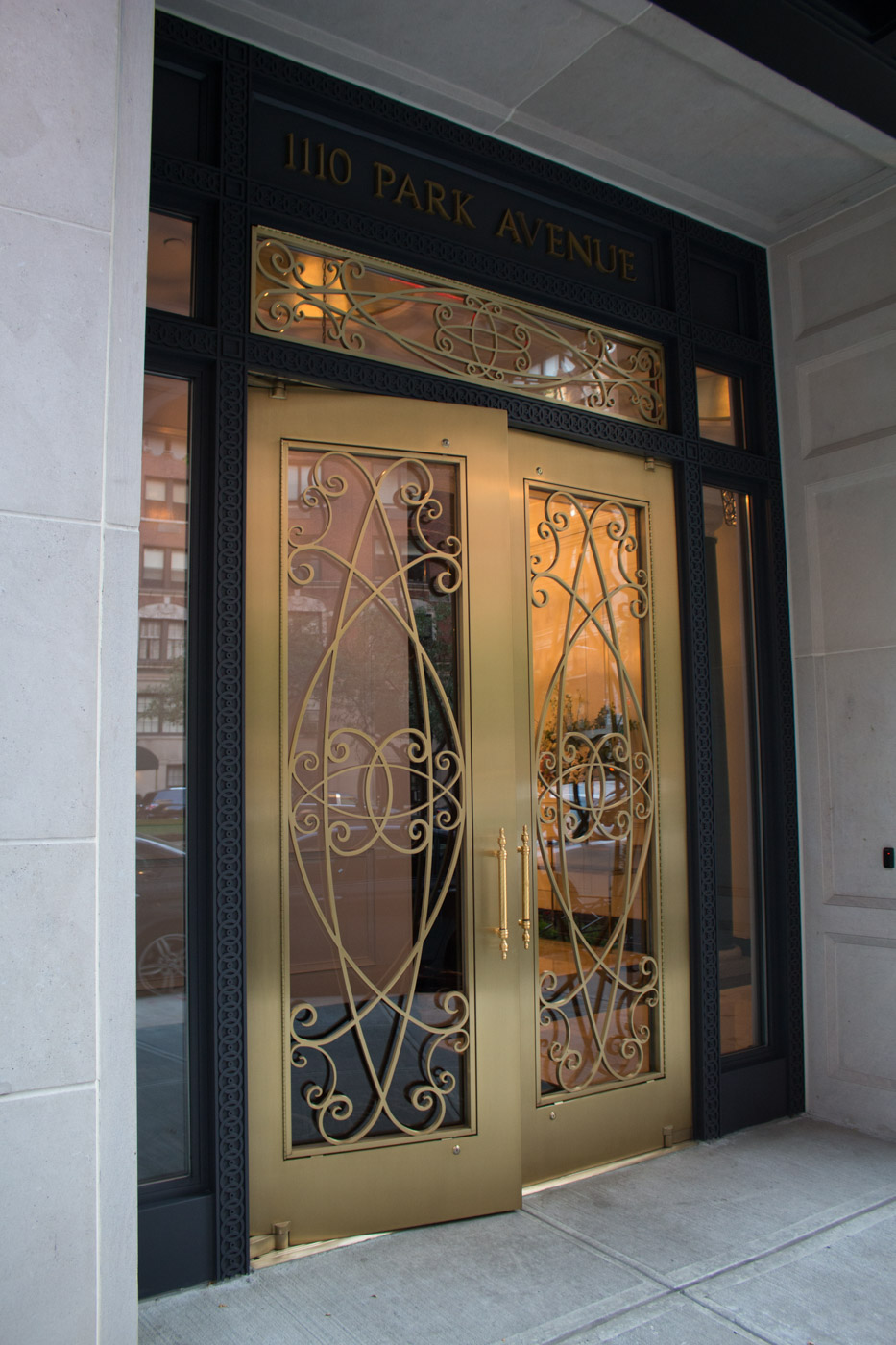
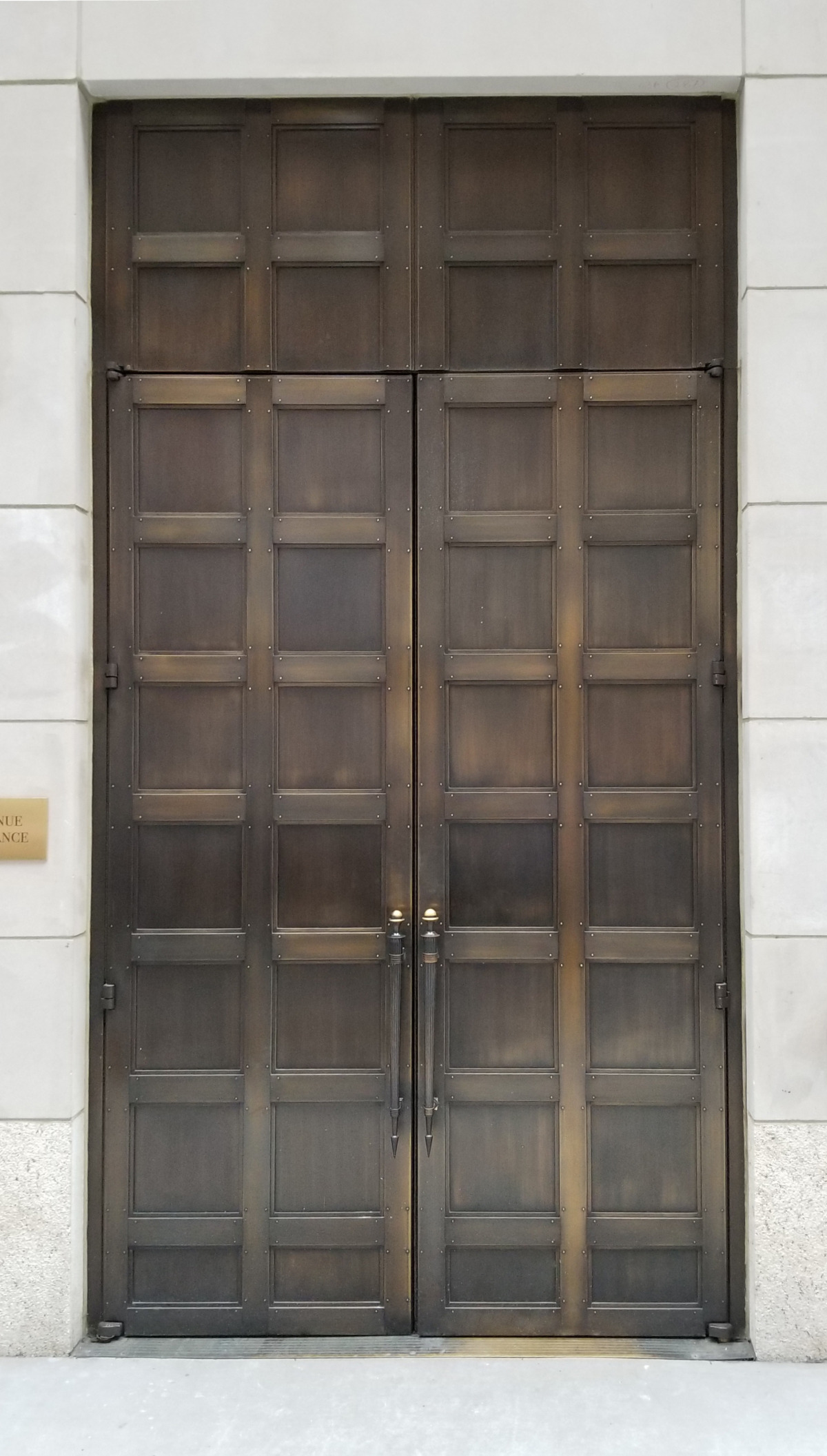
Metals like bronze naturally evoke a sense of luxury, warmth, and permanence, creating an emotional connection the moment someone approaches an entryway. Much like materials found in nature, bronze feels grounded and enduring.
These types of materials are being combined with biophilic design ideas to create spaces that feel more authentic.
Bronze and certain other metals are durable, age gracefully, and develop character over time, much like natural materials. This aligns with biophilic principles, and in fact, humans respond positively to products that have “life,” texture, and a sense of history. Bronze entrances, specifically, tell a story through their earned patina and the passage of time. The result is an entryway that doesn’t just welcome people in – it connects them to something lasting, “alive,” and deeply rooted in biophilic design.
In addition, patinated bronze and brushed finishes introduce natural variation, echoing the imperfect beauty found in organic materials. These subtle shifts in tone and texture create visual depth and movement, allowing light to interact with the surface. This layered richness keeps the doors from feeling flat or overly industrial.
At Ellison, each bronze balanced door develops its own character over time, making entrances feel distinctive and alive.
Accessible Design
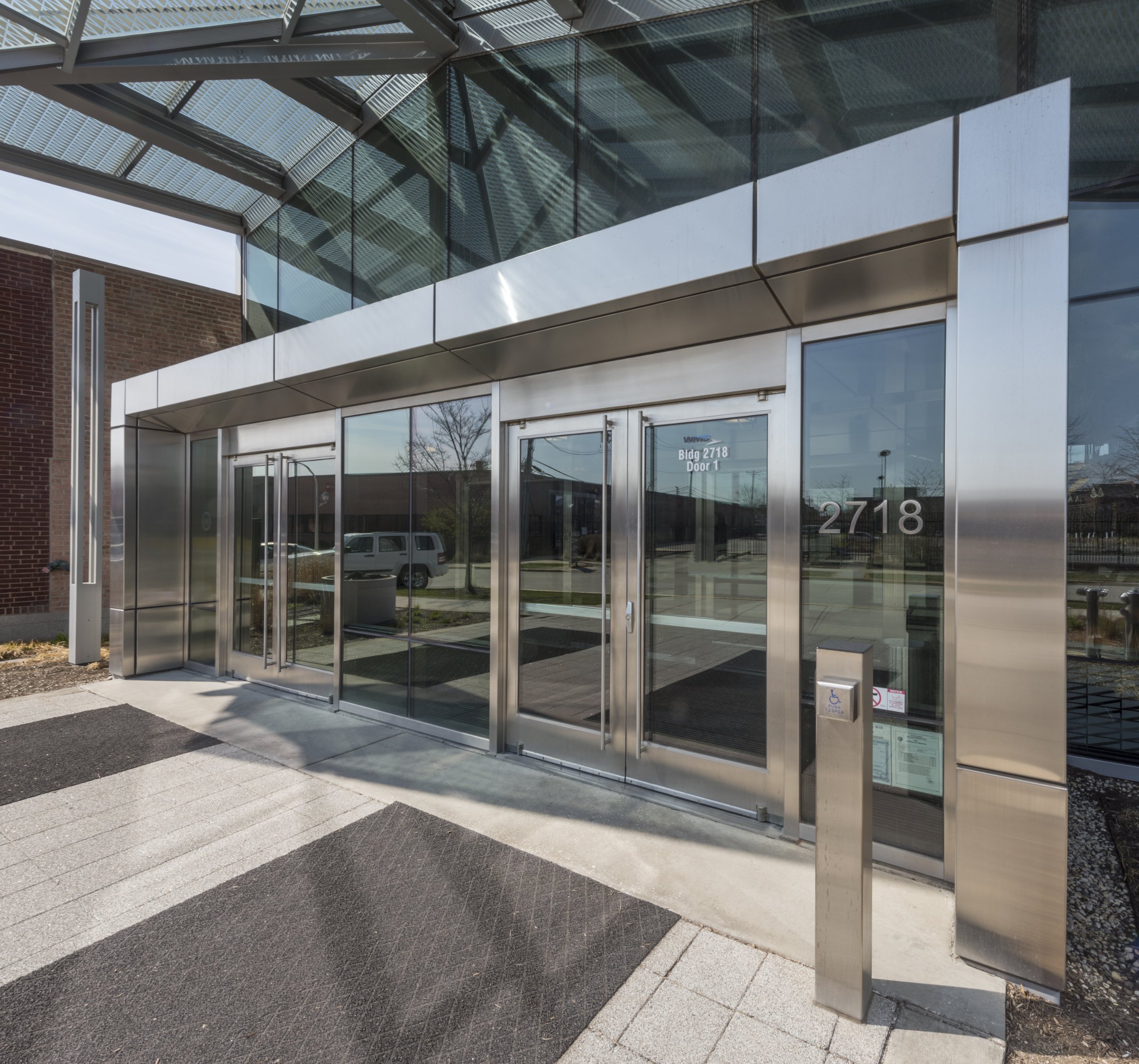
Accessible design is all about creating environments that are usable for everyone. Doors with automated openers, push plates, or touchless sensors are the standard in commercial construction, ensuring entrances are usable by people with limited physical abilities.
Incorporating accessible features doesn’t mean sacrificing design, however.
For example, Ellison Bronze balanced doors bring luxury, durability, and a timeless aesthetic to any building while seamlessly integrating technology that meets ADA standards. The result is an entrance that is both inviting and inclusive – spaces that signal thoughtful design from the very first step. With Ellison, accessibility and architectural beauty go hand in hand, proving that practical solutions can also make a statement.
Glass-Forward Designs
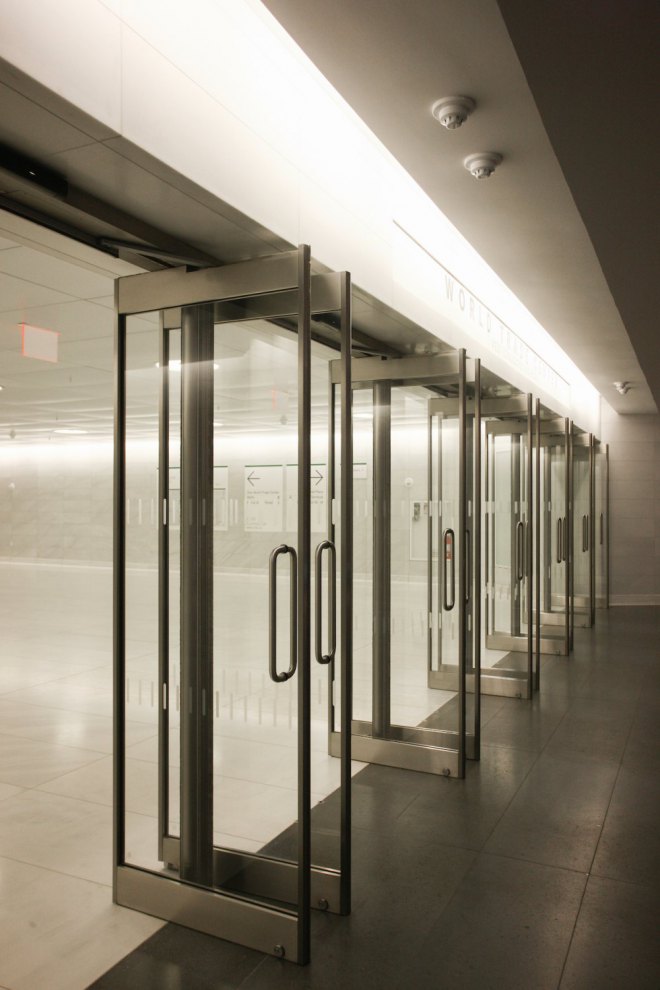
In contemporary architecture, glass-forward design has become a defining approach, transforming buildings from purely functional structures into dynamic, light-filled experiences. This design philosophy emphasizes the use of glass not just as a window or facade element, but as a core material that shapes how a building interacts with its environment and its occupants.
A glass-forward entrance signals transparency, openness, and modernity. For commercial buildings, corporate headquarters, or luxury residences, these entrances become a visual signature, communicating quality and sleek performance.
Glass works beautifully with metals to create entryways that are both functional and visually striking. When paired with narrow stile balanced door frames, glass entryways can be optimized for daylighting – a growing demand for lobbies in commercial buildings.
Oversized & Statement Entrances
There is something universally captivating about scale. Whether it’s cathedral ceilings or a sky-piercing commercial tower, larger-than-life spaces are inspiring.
That feeling of awe is exactly what oversized entrances are designed to create.
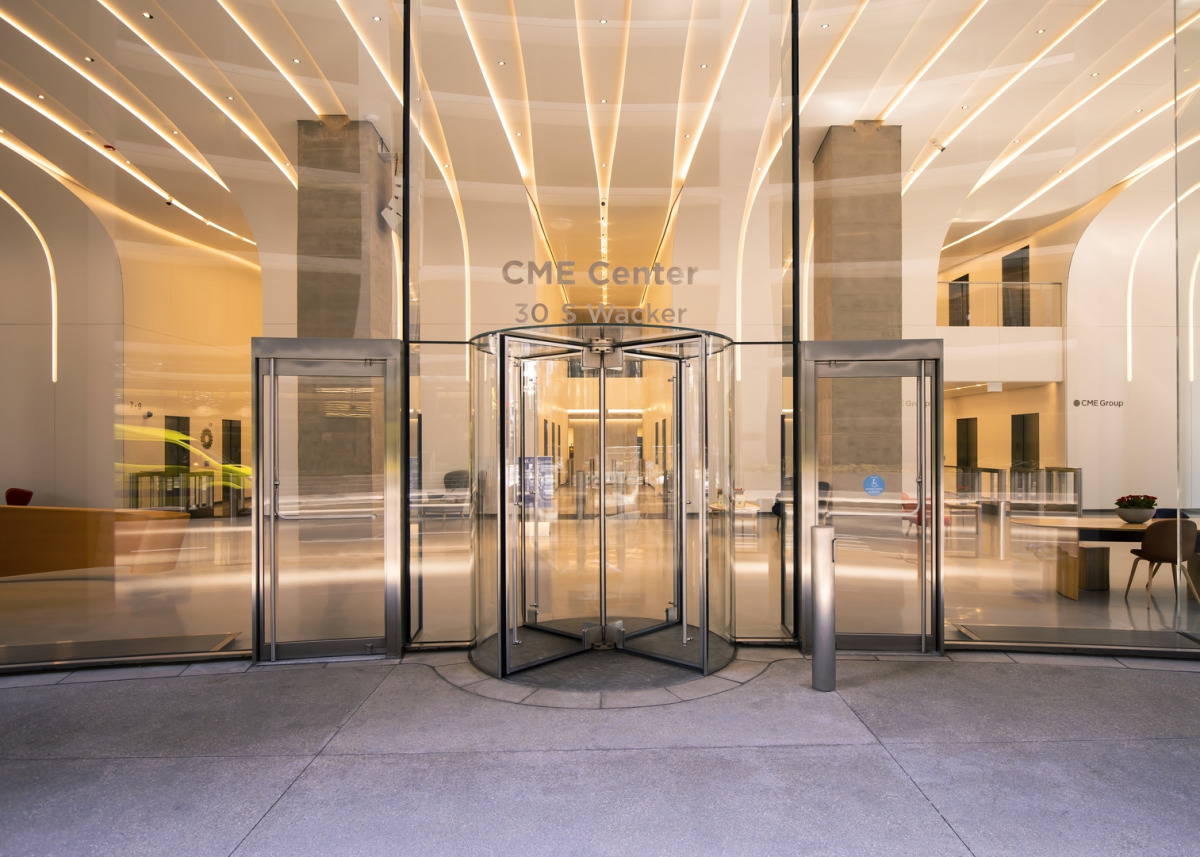
These grand entryways go beyond mere functionality – they create an immediate sense of drama, scale, and architectural intent. By expanding proportions and using bold materials, oversized entrances establish a powerful first impression for visitors.
Plus, when an oversized door leaf comes as a balanced door, it is still easier to open than its traditional hinged counterpart.
Where Arrival Becomes a Defining Moment
An entrance is often the first place that architecture speaks, and it has the opportunity to be the most memorable. Today’s entrance design reflects a deeper shift in how buildings are experienced: they are meant to feel intentional, welcoming, and future-proof. While today’s designers may be specifying through the lens of softened minimalism, biophilic materials, and expansive glass, tried-and-true materials endure beyond the trends.
For Ellison Bronze, it is not about chasing what’s next, but reinforcing what endures – doors crafted to fit trends that may come and go. Thoughtfully designed, they anchor a building’s identity, blending form with function to create entrance systems that resonate for generations.
AIA Continuing Education
Receive 1 AIA CES HSW/SD credit hour through our new online course.